
Contents
Overview
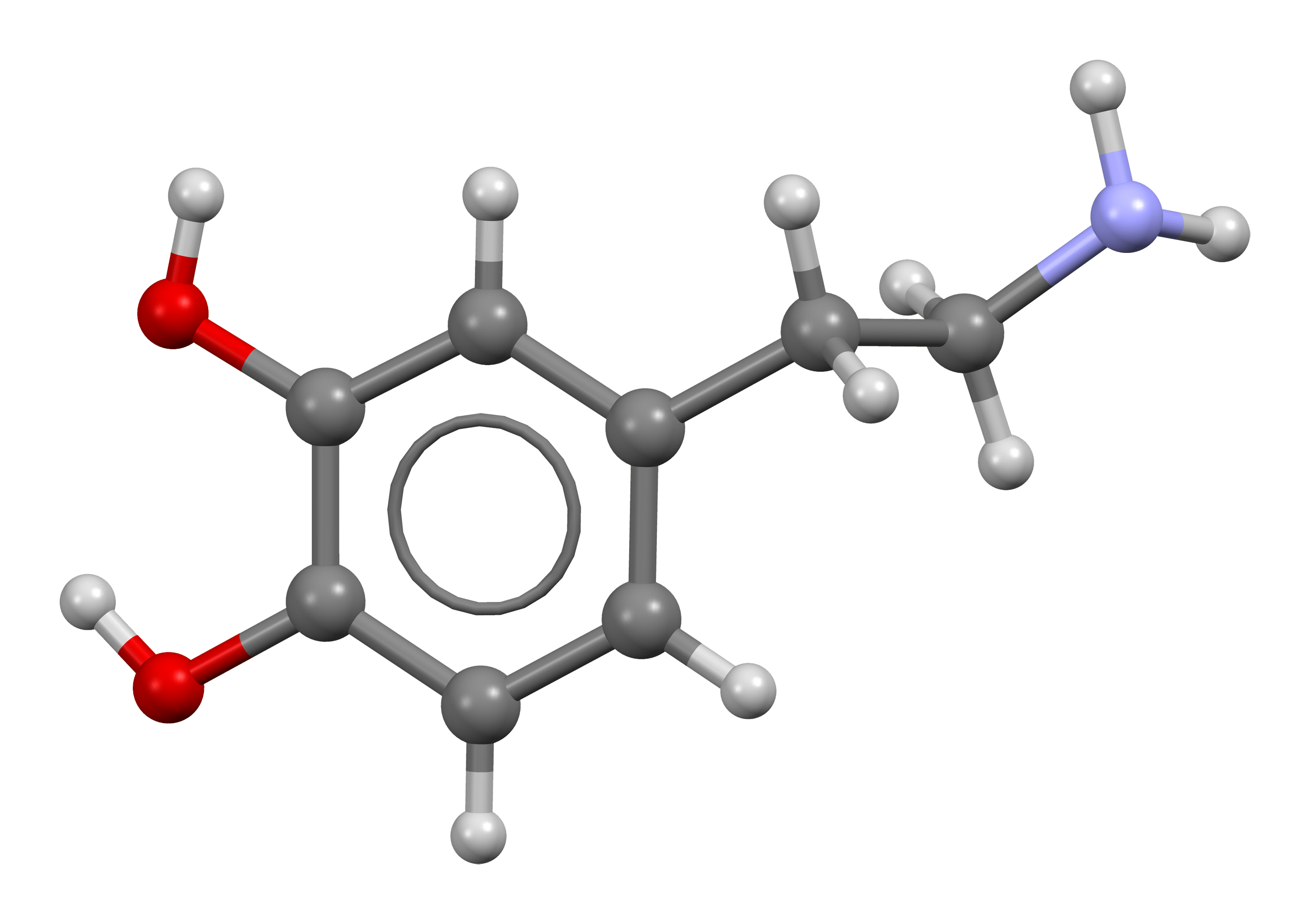
Dopamine is a neuromodulatory molecule that plays several important roles in cells, functioning as both a hormone and a neurotransmitter. As a type of catecholamine and phenethylamine alkaloid, dopamine is synthesized in the brain and kidneys from its precursor chemical, L-DOPA. Dopamine is studied in fields like neuroscience, psychology, and pharmacology, and is a vital component of various biological processes. The study of dopamine has important implications for our understanding of human behavior, decision-making, and well-being.
📖 Definition & Core Concept
Dopamine is a complex molecule with a rich history. Its structure, composed of nitrogen, carbon, and oxygen, is crucial for its function in various biological processes. As a type of catecholamine and phenethylamine alkaloid, dopamine is synthesized in the brain and kidneys from its precursor chemical, L-DOPA.
🔬 How It Works (Mechanics)
The mechanics of dopamine involve its synthesis from L-DOPA, its release from neurons, and its binding to dopamine receptors. Dopamine agonists, such as pramipexole, are used to treat Parkinson's disease and other disorders. Dopamine replacement therapy is also used to treat Parkinson's disease.
📊 Key Facts, Numbers & Statistics
Dopamine fasting is a concept that highlights the importance of balancing dopamine levels and avoiding overstimulation. The study of dopamine has important implications for our understanding of human behavior, decision-making, and well-being.
🌍 Real-World Examples & Use Cases
Real-world examples of dopamine's role in motivation and reward processing can be seen in the use of dopamine agonists to treat Parkinson's disease and other disorders.
📈 History & Evolution
The history and evolution of dopamine research spans several decades. Today, dopamine is a key area of study in fields like neuroscience, psychology, and pharmacology.
⚡ Current State & Latest Developments
Current state and latest developments in dopamine research include the use of advanced imaging techniques to study dopamine release and binding in the brain. New treatments and therapies are being developed to address dopamine-related disorders.
🔮 Why It Matters & Future Outlook
Dopamine's significance and future outlook are closely tied to its role in motivation, reward processing, and other physiological processes. The study of dopamine has important implications for our understanding of human behavior, decision-making, and well-being.
🤔 Common Misconceptions
Common misconceptions about dopamine include the idea that it is solely responsible for pleasure or reward. However, reportedly, dopamine plays a complex role in motivation, reward processing, and other physiological processes.
Key Facts
- Year
- 1910
- Origin
- Brain and kidneys
- Category
- definitions
- Type
- concept
- Format
- what-is