
Contents
Overview
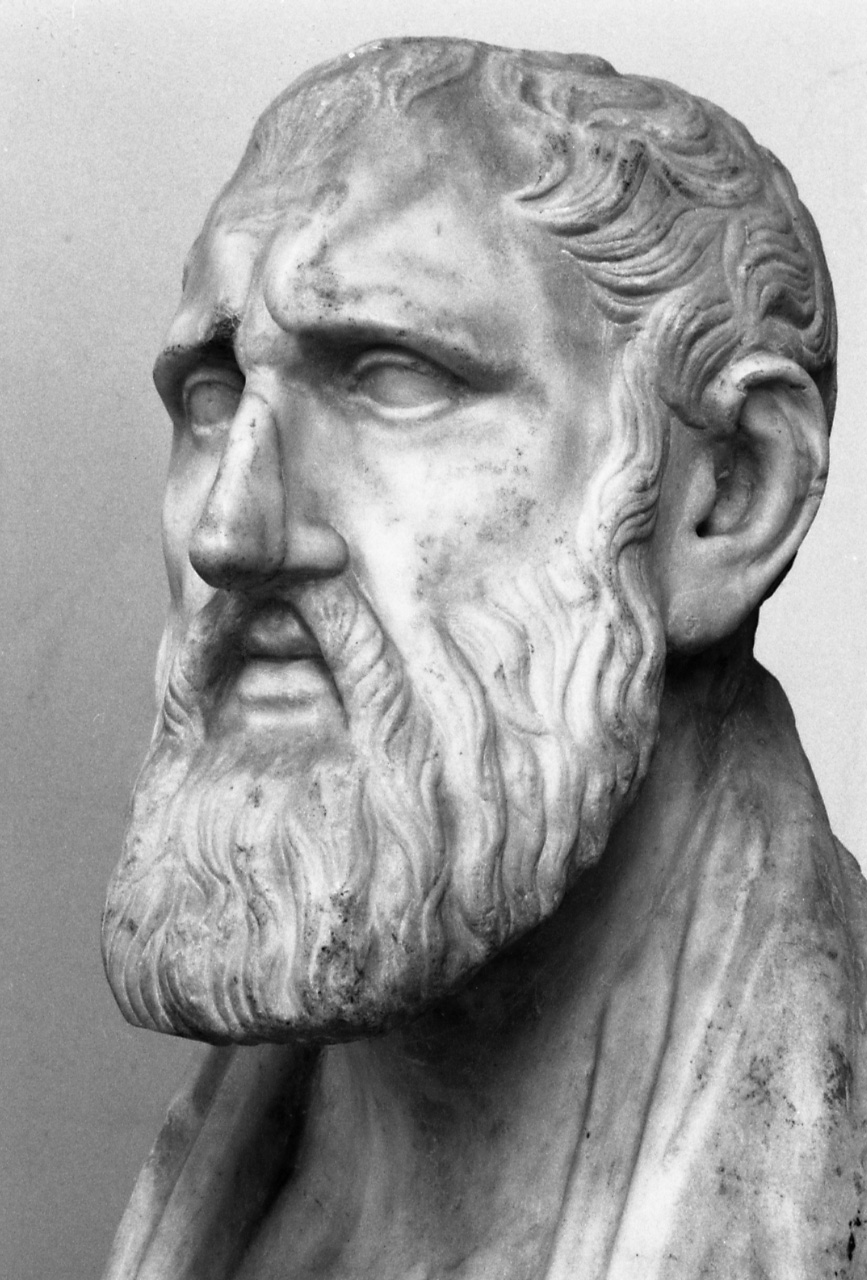
The Stoic philosophy is traditionally divided into three interconnected disciplines: logic, physics, and ethics. With its roots in ancient Greece, Stoicism is a practical guide to living that operates according to reason, or logos, and is based on the idea that the universe operates according to reason, or logos. By cultivating virtue and living in accordance with nature, Stoics aim to attain a well-reasoned life. As a philosophical movement, Stoicism has influenced many notable figures and continues to be relevant today, with its principles and practices applied in various fields, such as cognitive-behavioral therapy and mindfulness.
📖 Definition & Core Concept
The Stoic philosophy is characterized by its emphasis on reason, self-control, and inner strength. The Stoic philosophy is traditionally divided into three interconnected disciplines: logic, physics, and ethics, which are all essential for achieving the Stoic goal of living a well-reasoned life. The Stoics believed in the importance of indifference to external events, which is the ability to remain calm and composed in the face of adversity.
🔬 How It Works (Mechanics)
The Stoic philosophy is based on the idea that the universe operates according to reason, or logos, and that individuals should strive to live in accordance with nature. This is achieved through the practice of virtue, which is considered the highest good, and is cultivated through the development of self-discipline and moral improvement. Aristotle noted the Stoics' focus on reason and virtue as a key aspect of their philosophy, and is closely related to the concept of eudaimonia.
📊 Key Facts, Numbers & Statistics
Stoicism has been applied in various fields, including psychology and philosophy. The Stoic practice of negative visualization can be used to help individuals develop a more positive outlook on life, while the Stoic concept of amor fati can be used to help individuals develop a greater sense of inner strength and resilience. Stoicism has been influential in the development of Hellenistic philosophy.
🌍 Real-World Examples & Use Cases
Stoicism has many real-world examples and use cases, including its application in cognitive-behavioral therapy and mindfulness. The Stoic concept of focus on the process can be used to help individuals develop a greater sense of discipline and perseverance. Stoicism has been applied in fields such as business and sports.
📈 History & Evolution
The history and evolution of Stoicism is a long and complex one, with its roots in ancient Greece and its development over time through the contributions of many notable figures. The Stoic philosophy is based on the idea that the universe operates according to reason, or logos, and that individuals should strive to live in accordance with nature.
⚡ Current State & Latest Developments
Today, Stoicism continues to be relevant and influential, with its principles and practices being applied in various fields. The Stoic philosophy is characterized by its emphasis on reason, self-control, and inner strength. Stoicism is a highly optimistic and empowering philosophy.
🔮 Why It Matters & Future Outlook
Stoicism matters because it provides a framework for living a well-reasoned life. By cultivating virtue and living in accordance with nature, individuals can achieve a state of being happy and fulfilled, and can develop a greater sense of inner strength and resilience.
🤔 Common Misconceptions
Some common misconceptions about Stoicism include the idea that it is a pessimistic or negative philosophy, when in fact it is a highly optimistic and empowering one. Stoicism is a philosophical movement that is still relevant today, with its principles and practices being applied in various fields.
Key Facts
- Origin
- ancient Greece
- Category
- definitions
- Type
- topic
- Format
- what-is
Frequently Asked Questions
What is the core concept of Stoicism?
The core concept of Stoicism is the idea that individuals should strive to live in accordance with nature, and that virtue is the highest good. This is achieved through the practice of reason, self-control, and inner strength.
What are some real-world applications of Stoicism?
Stoicism has many real-world applications, including its use in cognitive-behavioral therapy and mindfulness. The Stoic practice of negative visualization can be used to help individuals develop a more positive outlook on life, while the Stoic concept of amor fati can be used to help individuals develop a greater sense of inner strength and resilience.
What is the history and evolution of Stoicism?
The history and evolution of Stoicism is a long and complex one, with its roots in ancient Greece and its development over time through the contributions of many notable figures.
Why is Stoicism still relevant today?
Stoicism is still relevant today because it provides a framework for living a well-reasoned life. By cultivating virtue and living in accordance with nature, individuals can achieve a state of being happy and fulfilled, and can develop a greater sense of inner strength and resilience.
What are some common misconceptions about Stoicism?
Some common misconceptions about Stoicism include the idea that it is a pessimistic or negative philosophy, when in fact it is a highly optimistic and empowering one.